Category: SaaS

  • Human Middleware: 5 Agency Workflow Bottlenecks to Fix

    Human middleware: 5 warning signs your agency needs AI workflow automation

    Multi-screen creative agency workspace showing a connected digital workflow

    Picture your coordinator’s afternoon. They copy a draft out of ChatGPT and into a Google Doc. They paste the client’s tone notes into another tool so the social captions match. They reformat the whole thing and email it to you for approval, where it lands in a thread already six replies deep.

    That is four tools and a lot of careful work, with no strategy anywhere in it.

    When a person spends the day moving text from one tool to another, they are doing a job software should do. Engineers call that job middleware. In most agencies, it is a person. Sometimes it is the coordinator. On bad weeks, it is you. Either way, you are paying senior wages for middleware.

    Your coordinator is not failing. Nobody designed the workflow. Adding another AI tool rarely helps because it creates one more place where someone has to explain the client from scratch. AI workflow automation should close that gap. For many small agencies, it has not.

    Here are five symptoms. Count how many you recognize.

    What “human middleware” actually means in an agency

    Team mapping a technology workflow with diagrams on a whiteboard

    The job nobody hired for

    Middleware is the software layer that lets separate systems pass information to each other. In a lot of 4- to 16-person agencies, that layer is a person.

    Look at a typical stack:

      • ChatGPT or Jasper for drafts
      • Canva for graphics
      • Grammarly for cleanup
      • Google Docs for collaboration
      • Email for approvals
      • Meta Ads Manager for campaign data
      • A scheduling tool for publishing
      • A WordPress login for every client site

      Each tool does its job. None of them knows what the others know. Someone carries the context by hand, tab to tab and client to client.

      Why the bill is bigger than it looks

      Every handoff costs minutes and context. The minutes are annoying. Losing context is expensive, because every time a brief gets re-pasted, a little of the client’s nuance falls away.

      There is an irony we see often. Agency owners can quote a client’s ROAS to two decimal places, yet many have never put a number on the labor behind their own monthly report. They measure client results carefully and rarely measure their own operations.

      The symptoms usually show up before anyone names the cause.

      Sign 1: Campaigns launch weeks late, and nobody can say exactly why

      Where the days go

      A late campaign rarely comes from one disaster. It comes from 40 small waits.

      The draft waits for a reformat. The reformat waits for brand notes. The brand notes wait on whoever remembers them. The approval sits in an inbox under a subject line nobody can find.

      Each wait looks reasonable on its own. Added up, they push the launch back by weeks, and nobody can point to the moment it slipped.

      The quick diagnostic

      Pick your last campaign and ask two questions:

      • How many tools did it touch between brief and launch?
      • How many times did someone paste the brief again?

      If the second number is bigger than the first, you have found the drag.

      Sign 2: Client reports are assembled by hand every month

      Person writing notes on an office calendar for monthly planning

      The retainer does not cover the report

      Month-end looks the same at a lot of agencies. Someone pulls exports from Meta Ads Manager, screenshots charts, writes commentary on what changed, and formats it into the client’s template. Then they do it again for the next client, and the one after that.

      Most retainers price the campaign work. Fewer price the hours spent explaining it. The report becomes unbilled time that grows with every client you sign.

      We will not guess at your number because it varies from shop to shop. Work it out instead:

      • How many hours did last month’s reports take?
      • How many clients received one?
      • How does that total compare with what your retainers cover?

      Why reporting is the canary

      Reporting is often where the bottleneck shows up first, and it is one of the easier places to fix. The work repeats on a schedule, follows rules, and can be checked against source data.

      That makes it a strong candidate for AI workflow automation, with a human sign-off before anything reaches the client.

      Sign 3: Every draft needs re-briefing in every tool

      Prompt fatigue is a workflow problem

      Every new chat window starts out knowing nothing about the client. So every session opens the same way: paste the voice notes, the words this client never uses, the correctly spelled product names, and a description of the audience. Then open the next tool and do it again.

      That is slow, but drift costs more. After a few weeks of copy-pasted context, Client A starts sounding a little like Client B. Then a silent failure gets through:

      • The wrong client name in a draft
      • A tone that is slightly off
      • A claim nobody can support
      • A sentence your client would never say

      These mistakes cost trust. They slip past because a busy reviewer is reading for typos, not voice.

      If you have typed “remember, this client never says ‘synergy’” more than twice this week, you have become the brand guide.

      The diagnostic

      Ask where each client’s brand voice actually lives.

      If the answer is “in a file every tool reads,” you are in good shape. If it is “in Jess’s head” or “somewhere in that Google Doc,” your AI content workflow runs on memory. Memory gets worse with every client you add.

      Sign 4: The founder reviews everything because nobody trusts the output

      You built a job, not a business

      In many small agencies, every deliverable crosses the founder’s desk before it goes out. The team is talented. The trouble is that output arrives uneven, and the founder is the only person who holds the full picture of every client.

      Our Agency Alex persona has a line that sums this up: “I spend more time reviewing work than I used to spend doing it myself.” This is illustrative, not a customer quote.

      Keep the approval step. Approval is where your judgment goes in. You decide whether the angle is right, whether the claim is defensible, and whether this is the right message for this client. Only you can make those calls.

      The bottleneck starts when approval turns into rescue. You are rewriting the tone, fixing names, and rebuilding the argument from paragraph two. At that point, the founder is the most expensive middleware in the building.

      What good review looks like

      A draft should reach you ready for a decision, not a rewrite.

      That changes the coordinator’s job, too. They stop producing every piece and passing it up for repairs. They review and route work that already carries the client’s voice. That is a much better use of a good person.

      Sign 5: Your team is tired in a way a long weekend will not fix

      Warmly lit evening workspace with desk lamp and office equipment

      Burnout from friction, not hard problems

      Hard creative problems wear people out, but they give something back. Cracking a positioning problem for a client feels good.

      The burnout here comes from repetition: the same paste, the same reformat, the same reminder, dozens of times a week. It drains people and gives nothing back. A long weekend does not fix it because Monday brings the same queue.

      Agency Alex puts it plainly: “My team is burned out. I’m burned out. But we can’t turn down good business.” Again, that is an illustrative persona quote.

      This is where the bottleneck becomes a business problem. When the team is full, the next client leaves you with a short list:

      • Hire before you are ready
      • Turn down good business
      • Keep going until something breaks

      If nobody chooses, the third option tends to happen on its own.

      Count your symptoms

      Self-check

      Answer yes or no.

      1. Have campaigns launched late this quarter without one clear cause?
      2. Are client reports still put together by hand every month?
      3. Does someone re-paste brand notes into each tool for every draft?
      4. Does every deliverable need the founder’s review, and often a rewrite?
      5. Is your team tired in a way that time off does not fix?

      The scoring is entirely unscientific.

      • One or two yeses: friction.
      • Three or four: bottleneck.
      • All five: you are the middleware.

      How AI workflow automation removes the middleware

      Connected workflow versus more tools

      Most agencies already pay for capable AI. The trouble is that AI content tools produce outputs, and someone still has to move those outputs along.

      AI workflow automation handles the steps between them. It carries the brief, research, and client voice from one stage to the next, so nobody has to type them again.

      That is the test for any AI workflow automation for marketing agencies: do research, drafting, optimization, and approval share the same context?

      If they do, the handoffs shrink. If each step starts from a blank prompt, you bought a faster tab and kept the same coordinator job.

      12 Workalongs, one brand voice file

      That is the problem we built Workilo to solve.

      Workilo has 12 specialized Workalongs, each built for a specific job. They read from the same brand voice file for each client. We call it Brand Brain. It holds each client’s tone, terminology, and messaging rules, so nothing needs re-explaining between steps.

      • Kiki researches the keywords and competing pages.
      • Sage drafts from Kiki’s research in the client’s voice.
      • Your strategist reviews the draft, makes the judgment calls, and approves it.
      • The approved work moves toward publishing.

    Your team becomes the strategy layer. The Workalongs handle execution. Nothing ships to a client without your approval.

    A model workflow: from 8-hour blog posts to 45-minute ones

    In the old process, keyword research takes about two hours. A first draft takes another two. SEO optimization adds an hour and a half. Then come editor review, a header image, and publishing to WordPress. That adds up to about eight hours, and almost every step starts with someone catching up on what came before.

    In the Workilo model workflow, Kiki handles research in about 15 minutes. Sage drafts from that research in about 20. Your strategist spends about 10 minutes reviewing and approving. The sequence takes about 45 minutes.

    Look at where the time went. Nobody typed faster. The time came back because the re-briefing, reformatting, and waiting were removed. The parts that need a person, including review and judgment about what is right for the client, remain in the process.

    Source: Workilo Agency Alex workflow example. This is an illustrative model workflow, not a customer result.

    Your coordinator was never the problem

    Go back to that afternoon of copying, pasting, and reformatting. The person doing it is not the weak link. They are carrying context between tools that cannot carry it themselves.

    AI workflow automation gives agencies a way to remove that work without removing the human judgment their clients hired them for.

    Count your symptoms. If you got to three, start a Workilo trial and run one real client deliverable through the workflow. See where the handoffs disappear, and put your team back on the work that actually needs them.

  • Why 81% of Canadian Businesses Haven’t Adopted AI Yet

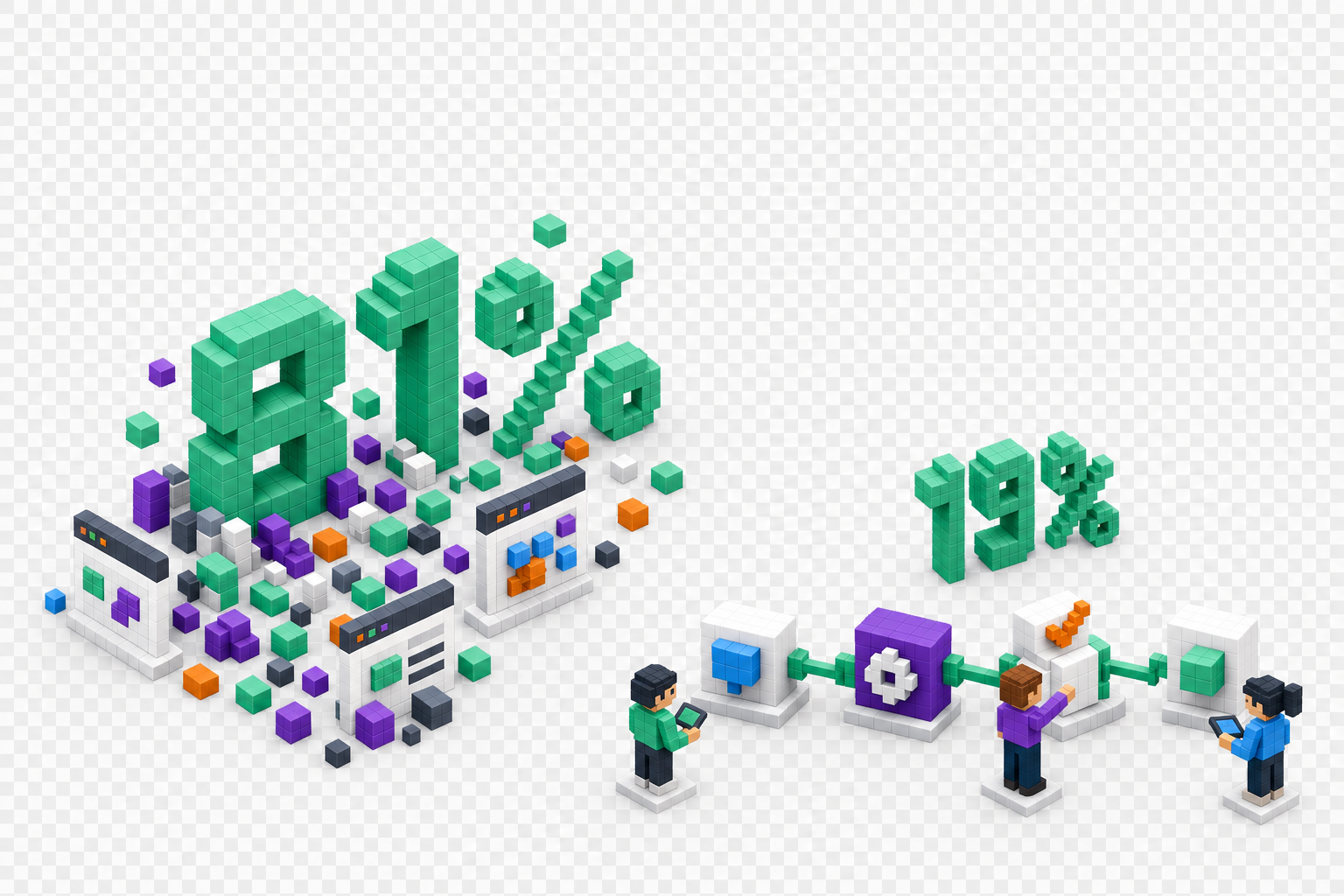
    workilo blog 81 percent gap v01.png

    Agency project management software is not usually the first thing people think about when they see this number. They think the problem is technology. It isn’t.

    In Statistics Canada’s Q2 2026 Canadian Survey on Business Conditions, 80.8% of Canadian businesses said they had not used AI to produce goods or deliver services in the previous 12 months. That is four in five businesses.

    Now look at the other side of the story. In March 2026, Statistics Canada reported that 35.9% of Canadian workers had used generative AI at work.

    So people have adopted AI. Their businesses have not.

    The gap is operational. AI lives in a browser tab, outside the workflow, so it never becomes a repeatable business capability. It stays a personal habit instead of becoming part of how work gets delivered.

    Agencies make this easy to see. Most have ChatGPT open all day. Most still have no defined AI workflow, no shared brand context, and no reliable approval path before client work ships.

    The 81% Isn’t Who You Think It Is

    AI adoption tripled, and four in five businesses still are not using it

    Business AI adoption is growing. Statistics Canada found that adoption rose from 6.1% in Q2 2024 to 12.2% in Q2 2025, then to 19.2% in Q2 2026.

    That is meaningful growth. But the baseline was low, and the definition matters.

    The Bank of Canada’s December 2025 Business Leaders’ Pulse survey found that only 8% of businesses use AI significantly in their core operations. Many organizations are experimenting. Far fewer have built AI into the way they deliver work.

    Statistics Canada asks whether AI was used to produce goods or deliver services. If a strategist pastes a client brief into ChatGPT, rewrites the result manually, and emails it around for feedback, the agency may not describe that as delivering services with AI.

    It is one person working a little faster. It is not yet a business system.

    Individual AI use and business adoption are different things

    Workers are at 35.9%. Businesses are at 19.2%. The story is in that gap.

    For example, a Creative Director using an AI tool to rough out three campaign concepts before a meeting is practicing individual use. It may be useful, but the work lives in one person’s chat history and depends on that person remembering what worked last time.

    Business adoption looks different. Every client brief follows the same governed path:

    • Research
    • Drafting
    • Brand and quality review
    • Human approval
    • Client delivery

    That workflow runs the same way whether your best strategist is in the office, on vacation, or working across five active client accounts.

    Your team adopted AI a year ago. Your agency did not.

    What the Survey Says Is Stopping Them

    When Statistics Canada asked businesses about AI adoption barriers in Q2 2026, the answers were not what most headlines would predict.

    • 40.0% said AI was not relevant to their goods or services.
    • 13.4% cited cybersecurity or privacy concerns.
    • 10.6% cited cost.
    • 23.0% reported no barriers at all.

    Each answer points to the same underlying issue: most organizations have not connected AI to a real operating problem.

    “Not relevant” usually means “nobody mapped it to the work”

    Forty percent is the biggest number, and it is the easiest one to misread.

    Ask a Creative Director whether content production is relevant. Ask about client reporting, revisions, approvals, or keeping six client brand voices distinct across blog posts, social campaigns, and ads. Nobody says those jobs are irrelevant. That work is the agency.

    It is also where AI can help most when it is used with the right safeguards.

    When an agency owner says AI is not relevant, the real issue is often that nobody has drawn the map showing where AI fits into the work.

    A single client blog post may currently pass through a project board, ChatGPT, a writing tool, Canva, Google Docs, and an email chain for approval. AI is already somewhere in that chain. But no one designed the handoffs, so it does not feel like part of the agency’s operations.

    Privacy is a fair concern, and it gets solved by design

    Cybersecurity and privacy concerns are legitimate. Agencies work with client information, campaign plans, unpublished content, internal reporting, and brand materials that should not be scattered across unmanaged personal accounts.

    The answer is not pretending the risk does not exist. The answer is designing for it.

    Unmanaged AI creates risk:

    • Client information copied into personal tool accounts
    • No shared record of what was generated
    • No clear ownership of review and approval
    • No consistent client-specific rules for brand voice or sensitive topics

    A designed workflow creates accountability. It gives your team a clear place for client context, controlled handoffs, documented reviews, and an approval trail.

    Governance and AI are not opposites. Unmanaged AI is the risk.

    Nearly a quarter have no barrier at all

    This is the number that gets ignored. Twenty-three percent of businesses reported no barrier to AI adoption. They simply have not started.

    You probably know this agency owner. They have read the articles. Their team already uses AI. They know the opportunity is real. But nobody has had time to create a working system because everyone is busy delivering client work.

    That is inertia, and inertia is an operations problem.

    A strategy deck will not fix it. A designed workflow will.

    The Real Barrier Is That Nobody Designed the Workflow

    The copy-paste tax

    Picture Julie. She is an illustrative composite, but if you run a small agency, you have met her. Sometimes she is your coordinator. Sometimes she is your most junior account executive. Sometimes she is you.

    At 9 AM, she pastes a client brief into ChatGPT. Then she rewrites the output because it sounds generic.

    At 10 AM, she opens a different tool for the blog draft and fixes the headings. In the afternoon, she writes social posts in Canva with no brand voice file, guessing from last month’s posts. By 3:30, she emails everything out for approval and waits through a six-reply thread before someone finally writes, “Looks good.”

    AI touches every deliverable in that day. Julie is still the glue.

    She is human middleware, carrying output from one tool to the next, reformatting work, re-entering context, and chasing approvals.

    That agency might tell Statistics Canada it has not adopted AI. In a meaningful way, that is true. It has subscriptions, but it does not have a system.

    Tools without agency process management do not add up

    Research on adoption points in one direction. According to the Canadian Chamber of Commerce, citing Statistics Canada data, the most common changes among businesses that adopted AI were:

    • Developing new workflows: 40%
    • Training current staff to use AI: 39%

    Successful adopters did not just buy tools. They changed how work moves.

    KPMG Canada surveyed 753 business leaders in 2025, and only 2% said they were already seeing a return on their generative AI investments. That is difficult to fix when AI was never connected to the way work is actually delivered.

    Infrastructure over magic. The gains do not come from finding a smarter model. They come from orchestration, clear handoffs, reusable client context, and quality control.

    Where agency operations software fits

    This is the job agency operations software is meant to do. It should not become one more tab your team has to manage. It should connect the steps that already happen.

    For Operations Managers, the test is simple. Strong agency workflow software gives you one place where client brand context lives, where work moves from one stage to the next, and where nothing reaches a client without a named person approving it.

    Traditional agency project management software tracks that a task is due. An agency operations management platform shapes how the work gets done: who drafts it, which brand rules guide it, where it gets reviewed, and who signs off.

    What Workflow-First AI Adoption Looks Like Inside an Agency

    The brief comes in once. The account lead adds the brief to the client profile. That profile includes the audience, brand voice, banned phrases, preferred sign-off, and relevant background. Nobody pastes the same context into five tools.

    Kiki researches. The research Workalong identifies keywords, questions people are asking, and useful competitive angles. The work stays connected to that client’s profile.

    Sage drafts. The writing Workalong uses the research and the client’s brand context. The client’s preferred sign-off is already there because it belongs in the profile, not in someone’s memory.

    The brand check happens before a human sees it. The draft is checked against the client’s voice rules so the reviewer can focus on judgment rather than hunting for typos, generic phrasing, or off-brand language.

    A human approves it. Every time. The draft enters an approval queue with the research, brand-check notes, and revision history attached. The Creative Director can approve it, edit it, or send it back with comments. Nothing reaches the client without a human sign-off.

    Then it goes to the client. Client feedback returns to the same deliverable. There is no six-reply email thread and no guessing which document is final.

    Look at what changed. The tools did not suddenly become smarter.

    The work got a path.

    What changes for the Creative Director

    Your job moves from fixing to judging.

    Today, you may spend part of every day catching wrong client names, off-brand wording, invented facts, and tone that sounds nothing like the client. When brand context is built into the workflow and the brand check runs first, your review time goes to the questions that need your experience:

    • Is this the right angle?
    • Is this strategically useful for the client?
    • Is this the idea we want to put the client’s name on?

    Your team becomes the strategy layer. Workalongs handle the repeatable execution.

    What changes for the Operations Manager

    You get a record.

    Every deliverable shows who briefed it, what client context guided it, what checks were completed, and who approved it. When a client asks why something shipped the way it did, you have an answer instead of an inbox search.

    You also get a capacity number you can trust. When handoffs are designed, you can see where work actually slows down. That helps you decide whether the next client requires a new hire or a better workflow.

    Where to start this week

    You do not need to redesign the entire agency. Pick one recurring deliverable, such as a monthly client blog post or weekly social content batch, and do four things:

    1. Map it. Write down every tool and person the work touches from brief through client approval. Count the copy-paste steps.
    2. Write the brand profile down. If a client’s voice lives only in someone’s head, you have found your first point of failure.
    3. Name the approval gate. Decide who signs off, at which step, before work leaves the building.
    4. Cost the current version. Multiply the hours per deliverable by your blended hourly rate. Most agency owners have never done this math.

    If you would rather not do the calculation on a napkin, see how Workilo helps agencies run connected, human-approved workflows.

    Canadian Businesses Are Not Behind on Technology

    Most of the 81% already have access to the technology. Their people use it every day.

    What they do not have is a designed way for AI to move through the work, with client context carried forward and a human signing off at the end.

    That is why agency project management software alone is not enough. Agencies need an operating system for client work: a workflow that connects research, drafting, quality control, approvals, and delivery without forcing a coordinator to become the bridge between every tool.

    The next Statistics Canada survey will ask businesses the same question.

    Your team has already answered it.

    Has your agency?

    See how Workilo helps agencies turn scattered AI activity into connected client workflows.

  • Integration Management Costs: Your Agency’s Hidden Bill

    Nobody puts “human middleware” on the org chart. Every agency has one anyway.

    Here’s what the job looks like: a client brief lands in Slack. Someone copies it into a Google Doc, rewrites it into a prompt, pastes the output back, and reformats it for the scheduler. Then they read the whole thing again before it goes to the client, because nobody trusts what came out of the last tool.

    None of that work is billable, and none of it appears on your software bill. These are integration management costs, and they may be the largest expense your agency has never budgeted for. You do not pay them with an invoice. You pay them in hours.

    That person is often you.

    You already pay for integration. You just pay in hours.

    Most agency owners think they have avoided integration costs because they never hired a developer to connect their tools. But without developer-built connections, the integration is still happening. A person is doing it by hand.

    What integration management costs actually include

    Some of the cost is visible:

    • Software subscriptions
    • Connector tools
    • Setup time
    • Automation fixes when an app changes

    The rest is invisible. It is the labor of moving work between tools. Copying, pasting, reformatting, re-explaining, and re-checking are all integration work, even when nobody calls them that.

    You know the visible number because it arrives on your credit card statement each month. The invisible number is usually bigger, and almost nobody tracks it.

    Why it never shows up on the P&L

    This work gets filed under “coordination,” “admin,” or “just how we do things here.” It is spread across a dozen people in five-minute pieces, so it never looks like a single cost anyone could cut.

    Agency owners can quote a client’s ROAS to two decimal places, but many have never worked out the labor cost of producing the report that shows it.

    What you never measure, you cannot manage.

    Follow one deliverable from brief to client

    Abstract costs are easy to ignore. Specific ones are not, so let’s follow a single blog post through a typical small-agency stack.

    The real path of one blog post

    1. The brief arrives in Slack, or sometimes in an email thread, or in both.
    2. A coordinator pastes the brief into ChatGPT, then pastes in the client’s brand voice notes because ChatGPT does not remember them.
    3. The draft is copied into Google Docs.
    4. The text is run through Grammarly, and the corrections are moved back into Docs.
    5. Someone opens Canva, builds a header image, and exports it.
    6. The post gets reformatted for WordPress or the client’s scheduling tool.
    7. The draft goes to the client for approval through an email thread that reaches six replies.
    8. The client’s changes are copied back into the document, and the formatting starts over.

    Count the handoffs. Each one is a point where a person moves work by hand from one system to another. We will put a price on them shortly.

    Where re-explaining happens

    Every tool in that chain starts from zero. ChatGPT does not know what Grammarly changed. Canva has never seen the brief. The scheduler cannot tell which version the client approved.

    So the context gets supplied again at every step. The brand voice goes in again, along with the client’s banned words. “Remember, they never say ‘solutions’” gets typed for the fourth time this month.

    That is where voice drift starts. Nobody on the team is doing anything wrong. The process was never designed as a connected workflow. It is a collection of tools held together by whoever has the most patience.

    Your coordinator is not failing. Nobody designed the workflow.

    The costs you do not see on the invoice

    Integration management costs show up in four places. Only one of them is time.

    Unbilled coordinator time

    Every manual handoff costs a paid hour, or part of one, and your retainer does not cover it. Your clients pay for strategy, content, and results. They do not pay for the minutes your team spends moving a paragraph between browser tabs.

    For a small agency, this matters. If a typical retainer is around $1,500 a month, a few hours of unbilled handoff work each week across your client list can absorb the margin on an entire account.

    The client looks profitable on paper, and the real cost sits inside your payroll.

    Voice drift and rework

    When no single brand voice file feeds every tool, each tool produces a slightly different version of your client. One draft is too formal, another too casual, and the social captions sound like a different company.

    Fixing that gets called “editing.” Usually, it is rework caused by context getting lost between tools.

    Silent errors

    This is the cost that keeps founders up at night. The wrong client name gets carried over from last week’s prompt. The tone is wrong for a regulated industry. An invented statistic gets through because the reviewer was checking grammar, not facts.

    Errors like these make the senior partner review everything by hand. That adds another layer of middleware, at the highest hourly rate in the building.

    The capacity ceiling

    Add all of this up and you hit a ceiling. You cannot take on another client without hiring, because the team’s hours already go to moving work around rather than doing the work clients value.

    That is when someone says, “We need another coordinator.”

    Often, that means paying a salary to absorb a problem the workflow created.

    Calculate what middleware costs your agency

    You do not need a consultant for this. You need four numbers and about 20 minutes.

    The four numbers you need

    1. Handoffs per deliverable. Pick your most common deliverable and count every point where someone copies, pastes, reformats, re-explains, or manually checks something.
    2. Minutes per handoff. Include finding the right file, switching tabs, and the quick re-read before moving on.
    3. Deliverables per month. Count them across all clients.
    4. Loaded hourly cost. Use the full hourly cost of the person doing the handoffs, including benefits and overhead, not just salary.

    Then run the math:

    Handoffs × minutes × deliverables per month ÷ 60 × hourly cost = your monthly middleware bill

    A worked example

    These numbers are hypothetical, so replace them with your own.

    Say a deliverable has eight handoffs, each taking about six minutes. That is 48 minutes of pure coordination per piece.

    Multiply that by 60 deliverables a month and you get 48 hours, more than a full working week every month.

    At a loaded cost of $35 an hour, that is $1,680 a month. On those assumptions, your middleware costs more than a typical client retainer brings in.

    You may get a smaller number, or a much larger one. In either case, you will finally have a number. Most agencies have never had one.

    What workflow automation software should actually fix

    Once you have done the math, the obvious response is to buy workflow automation software. That is a reasonable instinct, but the category is broad, and most options solve a different problem from the one you just measured.

    Connector tools move data from one app to another. That helps with simple handoffs, such as creating a CRM record after a form submission.

    But content work needs more than data movement. It needs context:

    • The client’s voice
    • The original brief
    • Banned words and messaging rules
    • Approved source material
    • The version the client approved

    If a connector carries text from ChatGPT into Google Docs, it moves the words. It does not necessarily carry the context. Someone still has to supply it again and check the result.

    Look for shared context, not more connections

    The test is simple: does every step in the workflow already know who the client is and how they sound?

    If the answer is no, you have automated the copying and kept the re-explaining.

    That is the gap Workilo was built to close. Instead of five separate tools, specialized Workalongs work inside one platform and share the same brief and brand profile.

    Kiki handles keyword research. Sage drafts from Kiki’s research, so nobody has to paste it into another system. The client’s brand voice can feed every step, so the draft does not need translating back into the client’s language.

    Keep approval in the workflow

    Faster output is not worth much if you cannot trust it. Clients do not pay you to produce more. They pay you for work that sounds like them and gets the facts right.

    So the workflow should end with a person.

    In Workilo, nothing leaves without your approval. Your team stops carrying work between tools and starts reviewing finished drafts against the brief. That is a much better use of a senior person’s hour than finding the wrong client name in paragraph four.

    What changes when the middleware disappears

    Let’s go back to the blog post from earlier, this time with an illustrative example rather than a customer case study.

    Picture Alex, who runs a 12-person agency and is stuck at eight clients. Under the old process, her coordinator spends the day carrying briefs, drafts, and edits between six tools. Alex reviews everything at night because she does not trust what reaches her.

    In a connected workflow, the brief goes in once. Research, drafting, and optimization happen in the same place, with the same brand profile. The coordinator’s job changes from producing the work to reviewing it. Alex sees an approval queue instead of an inbox full of six-reply email threads.

    Nobody gets replaced. The hours that went into moving work around can go into:

    • Strategy
    • Client relationships
    • Creative direction
    • Higher-value review
    • The next account Alex had been turning down

    What to keep human

    Some work should stay human-led no matter how good the tools get:

    • Strategy and creative direction
    • Client relationships and difficult conversations
    • Final approval on anything that goes out under a client’s name
    • Judgment calls on tone, timing, and sensitive subjects

    Workalongs take on execution, and your team becomes the strategy layer. Get that split right and the capacity ceiling moves.

    Find your number, then decide what it should buy

    Before you look at another software subscription, work out how many coordinator hours your team spent on copy-paste work last month.

    Count the handoffs. Use real minutes. Multiply by what those hours actually cost you.

    Then see how Workilo can help your agency replace manual handoffs with a connected, approval-controlled workflow.

    Integration management costs do not go away when you ignore them. Your team keeps paying them, one paste at a time.

    Somebody at your agency is doing the integrating. Make sure it is on purpose.

  • Expand Your Business Without Hiring More Staff

    Founder working at a desk with a laptop and documents in a modern office
    Photo via Pexels

    Wrong question.

    When an agency hits capacity, the founder usually asks the same thing: Who do we hire next? It feels like the responsible move. It also feels like growth.

    But if you want to expand your business without hiring, start by looking at what your current team does all day. Most founders who reach a capacity ceiling do not have a staffing problem first. They have a handoff problem.

    Here is a familiar pattern: an agency runs eight active clients. Every time it signs a ninth, something breaks. A deadline slips. A draft goes out sloppier than it should. Or the team spends a weekend catching up.

    The team is not lazy, and the clients are not unreasonable. The work simply has nowhere left to go.

    This guide shows you how to audit capacity before you hire, create room for new clients, and decide which work should always stay human.

    Why hiring feels like the only way to grow

    Office worker carrying a large stack of folders, suggesting workload pressure
    Photo via Pexels

    The capacity ceiling nobody budgets for

    Demand is not the problem. Prospects are reaching out, and current clients want more. One asks for two blog posts a week instead of one. Another wants monthly reporting broken out by channel.

    Every new piece of work feels exciting and terrifying at once because you already know where the hours will come from:

      • Evenings
      • Weekends
      • The founder’s calendar

      When you hit that ceiling, it can feel like you have three options:

      • Hire more people
      • Turn down work
      • Keep pushing until something breaks

      Most agencies try all three, often in that order and at the worst possible time.

      What a new hire really costs you

      Before you post a role, do the math using your own numbers. Add salary, benefits, recruiting time, and the ramp-up months when the new person is learning your clients, tools, and standards.

      Then add the hours your senior people will spend managing, reviewing, and correcting their work.

      The bigger problem is what hiring does not fix. If your process is broken, a new hire adds fixed cost to a broken process. You end up with a larger version of the same bottleneck.

      Your team isn’t the bottleneck. Your workflow is.

      Colleagues collaborating on laptops and documents at an office desk
      Photo via Pexels

      Human middleware

      Most small agencies already pay for capable tools: ChatGPT, Jasper, Canva, Grammarly, a project board, and a scheduling tool. Each one can do useful work. But none of them work together by default.

      So someone has to carry the work between them.

      Usually, that is a junior coordinator who copies output from one tool, pastes it into another, reformats it, sends it for approval, chases the reply, and does it all again. Their entire day goes to moving information around without improving it.

      Your coordinator is not failing. Nobody designed the workflow.

      The founder review trap

      Then output arrives from five tools and three people, and nobody fully trusts it. So the founder reviews everything personally.

      Founders in this position often spend more time reviewing work than they used to spend doing it. They started the agency to lead strategy and creative direction. Instead, they become the final quality-control checkpoint for every deliverable.

      That is a sign of a workflow with no meaningful checkpoints in the middle. More effort will not fix it.

      Silent failures

      The worst problems are the ones that get through:

      • A wrong client name appears in a draft
      • Brand voice drifts because no shared client profile feeds every tool
      • A statistic appears without a source because someone trusted unverified output

      Each mistake costs something harder to recover than hours: client trust. One visible mistake under a client’s name can undo months of good work.

      Run a capacity audit before you post the job

      Before you add headcount, find out where your current capacity goes. This audit takes an afternoon and can change how you see your team.

      Step 1: Map one deliverable end to end

      Pick your most repeated deliverable. A monthly client blog post is a useful place to start. So is a recurring performance report.

      Write down every step from the moment the brief arrives to the moment the work is published or sent.

      Be honest and include the small stuff:

      • Downloading files
      • Renaming documents
      • Pasting text between tools
      • Formatting content
      • Writing the “just following up” email

      Step 2: Tag every step as judgment or execution

      Go through your map and label each step.

      Judgment work includes strategy, creative direction, client context, fact-checking, and final approval. These are the steps that need a person who understands the client and the stakes.

      Execution work includes research gathering, first drafts, formatting, optimization checks, and moving files. Execution still matters. It just does not need your most expensive people doing every part of it manually.

      Step 3: Find the handoffs

      Mark every point where work moves from one tool or person to another. Those handoffs are where time disappears and errors enter.

      In many agencies, the handoffs between steps consume more time than the work inside the steps themselves.

      Step 4: Decide whether to hire or redesign

      Look at the map.

      If most of your team’s hours go to judgment work and you still cannot keep up, you have a real staffing gap. Hire with confidence because you will know exactly what the role is for.

      If a large share of those hours goes to execution and handoffs, though, a new person will inherit the same mess on day one. Redesign the workflow first, then check whether you still need the hire.

      Often, you will find you have more capacity than you thought.

      Four changes that let you take on more clients without hiring

      Once the audit shows you where the hours go, the fixes are straightforward. None of them involve asking your team to work harder.

      1. Give every client one source of brand truth

      Most voice drift starts because each tool, and each person, works from a different idea of the client. One writer remembers that the client hates exclamation points. Another does not. An isolated AI tool remembers nothing at all.

      Build one client brand profile that includes:

      • Voice and tone preferences
      • Banned phrases and claims
      • Audience context
      • Approved proof points
      • The client’s correct business name and terminology

      Then make sure every step of the work draws from it. This removes wrong-name errors and reduces the slow tone drift founders end up correcting at 9 p.m.

      2. Connect the steps instead of adding more tools

      Your answer is probably not another subscription. Your agency already has plenty of those.

      Agency workflow automation, in plain terms, means the output of one step becomes the input of the next without anyone copying and pasting it. Research flows into the draft. The draft flows into review. The approved version moves toward publication.

      That is how Workilo is built. Kiki researches keywords and competing content. Sage drafts from Kiki’s research and the client brand profile. Your team receives the work at review with the relevant context attached.

      Each Workalong has a specialized role, and the handoffs happen inside the workflow instead of inside your coordinator’s inbox.

      3. Put approval gates where judgment lives

      Nothing should ship to a client without a person signing off. That gate is a feature, not a limitation. It is one reason clients hire agencies instead of buying another tool.

      Instead of reviewing everything at the very end, put approval checkpoints where judgment matters:

      • Approve the direction after research
      • Approve voice and message after the first draft
      • Give final sign-off before anything client-facing goes out

      When problems surface early, founders stop rewriting finished drafts. You review at the gates once, instead of reviewing everything twice.

      4. Turn your coordinator from producer into reviewer

      This is the change people worry about, so here is the honest version: nobody is being replaced.

      Your coordinator stops spending the day moving text between tabs and starts checking, flagging, and approving. That is a better job. They build judgment, learn your clients faster, and grow into the kind of person you would promote.

      Your team becomes the strategy layer. Workalongs handle structured execution.

      What this looks like in practice

      Here is an illustrative example based on a common agency setup. It is a composite, not a specific customer story.

      A client wants their blog output to go from one post a week to two.

      In the old creative agency workflow, a strategist pulls keyword ideas from one tool, drafts in another, and pastes the result into a document. An editor marks it up in comments. The coordinator moves approved copy into the client’s site, emails the client for sign-off, and waits.

      Doubling output means doubling every one of those steps, so the founder starts looking at job boards.

      In the redesigned workflow, the strategist sets the angle and approves Kiki’s research direction. Sage drafts against the client’s brand profile. The coordinator reviews for accuracy and flags anything that needs a human call. The founder reviews at the final gate.

      The second weekly post adds review time, not production time.

      The people stayed the same, but the work they do changed. That is how you increase agency capacity without changing the org chart.

      Measure it with your own audit: run the same deliverable through both versions and compare the hours. Do not guess. Use the number to decide whether the next investment should be a better workflow or another hire.

      What you should never automate

      Some work should stay with people, and that is the work clients are paying you for.

      Keep these responsibilities human:

      • Client relationships and sensitive conversations
      • Strategy and positioning decisions
      • Creative direction and taste
      • Final decisions about whether work is good enough to carry a client’s name
      • Verification of claims, data, and promises before anything is published

      Automation is for the repeatable execution that buries your best people. It should never remove the judgment that makes your agency worth hiring.

      Agencies that blur that line might ship faster for a quarter, then lose clients over a mistake nobody caught.

      What you choose not to automate matters as much as what you automate.

      Expand your business without hiring, starting this week

      You do not need a new hire to find out whether you need a new hire.

      Start with the audit this week:

      • Map one recurring deliverable
      • Tag each step as judgment or execution
      • Circle every handoff
      • Identify where people are doing work that a connected workflow can handle

    If the map shows a team buried in judgment work, hire. You will hire for the right role and give that person a process worth joining.

    If it shows a team buried in copy-paste work, you have found your capacity. That is the real path to expand your business without hiring: redesign the workflow before you add headcount.

    When you are ready to see how connected research, drafting, and human approval gates work in one place, explore Workilo. Your team keeps the strategy and the final say. Workalongs handle the structured execution in between.

    The agencies that take on more clients without hiring are not working harder. They redesigned the workflow.

    Before you post that job, ask one question: what is your team actually being paid to do?

  • AI SEO Content Writing Tool for Agencies | Workilo

    What AI SEO Content Writing Tool Does Both Research and Writing?

    Marketing professionals collaborating around digital data in a modern office
    Photo via Pexels

    The best AI SEO content writing tool does more than generate a draft. It connects keyword research, search intent, writing, review, and approval so your agency can deliver stronger content without adding more manual work.

    The tool isn’t the problem. The seam between research and writing is.

    Picture the setup many agency owners are running right now: Ahrefs or Surfer open in one tab, ChatGPT open in another, a Google Doc somewhere in the middle, and a coordinator copying data back and forth between all three. Nobody designed that workflow. It just accumulated, one subscription at a time, until writing a blog post became a five-tool relay race.

    So let’s skip the generic list of software names. The real question is what an AI SEO content writing tool needs to do if it is going to replace that relay race instead of adding a sixth leg to it.

    Why agency owners keep asking the wrong question

    Most searches for an AI SEO content writing tool assume the fix is a better writer. A smarter model. A tool with a few more SEO features in the sidebar.

    But that is not where the time actually goes.

    The real bottleneck sits in the handoffs:

    • Research happens in one tool.
    • Drafting happens in another.
    • Optimization happens somewhere else.
    • Client comments arrive in email, chat, or a separate document.
    • Someone has to move the context between every step by hand.

    That someone is usually a coordinator, a content lead, or worse, the founder.

    That’s not a tool problem. That’s a workflow problem.

    Every hour spent stitching disconnected tools together is an hour that is not billable, strategic, or sustainable when your agency grows from eight clients to ten, twelve, or fifteen.

    Digital task board and analytics screens representing a connected content workflow
    Photo via Pexels

    What an AI SEO content writing tool actually needs to do

    If you are evaluating tools, skip the inflated feature lists for a moment. Focus on the practical requirements of a system your team can use for real client work.

    Keyword and SERP research should flow into the draft

    Research and writing need to share context. Before a draft begins, the system should understand the target keyword, the search intent behind it, the questions people ask, and the content already competing for attention.

    That means your draft is built around more than a phrase repeated a few times. It has a reason for existing. It answers the kind of question a searcher is actually trying to solve.

    Many AI writing tools produce fluent copy, but they write blind. They can generate paragraphs quickly without knowing whether the reader wants a comparison, a practical workflow, a definition, or a decision-making guide.

    Good SEO content starts with search intent, not a blank prompt.

    Drafting should understand intent, not just follow instructions

    There is a meaningful difference between a tool that follows a prompt and one that understands why someone searched in the first place.

    A prompt-based writer may produce a how-to guide when the reader wanted a product comparison. It may create a broad explanation when the searcher is really looking for a workflow they can apply this week.

    An effective AI SEO content writing tool should help your team connect:

    • The keyword: what the person typed into search.
    • The intent: what they are trying to decide, fix, compare, or accomplish.
    • The audience: who needs the answer and what constraints they face.
    • The outcome: what the page should help them do next.

    For agency owners, that outcome is rarely “write more words.” It is usually something closer to: deliver quality client content faster, keep brand voices distinct, and create enough capacity to say yes to the next good client.

    Brand voice and client context cannot be generic

    This is where the AI writing tool for multiple clients question gets real.

    An agency running eight client accounts cannot use one shared brand voice across all of them. A fintech client and a boutique bakery client should not sound the same. They should not use the same proof points, customer language, or calls to action. And they should never accidentally reference each other’s products or positioning.

    Your workflow needs separate, reliable context for each client, including:

    • Brand voice and writing style
    • Audience and customer pain points
    • Approved messages and terminology
    • Offer details and product facts
    • SEO priorities and content goals
    • Past feedback that should inform future drafts

    That is why a collection of prompts is not the same as a content system. Prompts can help an individual write faster. A structured workflow helps an agency deliver work consistently across multiple client brands.

    A review step must happen before anything reaches a client

    Speed without a checkpoint is how agencies end up on an awkward call explaining a factual error, an off-brand phrase, or an unsupported claim in a published post.

    An AI content approval workflow is not a nice-to-have feature. It is the part of the process that protects quality as output increases.

    A practical workflow gives every draft a clear path:

    • Draft: Research and initial content are created.
    • Internal review: A strategist, editor, or creative lead checks accuracy, SEO, and voice.
    • Client review: The right stakeholder receives a clean, current version.
    • Revision: Feedback is captured in one place and applied without version confusion.
    • Approved: The final version is ready to publish or deliver.

    AI can handle the repeatable execution. Your team still owns the judgment. Nothing should ship to a client without a human approval point.

    Coworkers reviewing content strategy together around a laptop
    Photo via Pexels

    What this looks like for an agency running multiple clients

    Think about a small agency running content for eight active clients with a team of four to sixteen people. The founder did not build a business just to become the final editor on every blog post, social caption, and campaign draft.

    But every time the agency tries to take on a ninth client, something breaks:

    • A deadline slips because research takes longer than expected.
    • A draft goes out in the wrong client’s tone.
    • Someone works late to reconcile feedback from multiple documents.
    • The founder steps in because nobody trusts the output enough to approve it alone.

    The fix is not simply a faster writer. It is a connected sequence.

    Research happens. A draft is created against that research and the client’s brand context. The content is checked. A reviewer signs off. Then it moves forward.

    That is what an AI content workflow for agencies should make possible.

    Instead of relying on a coordinator to act as human middleware between research software, writing tools, shared documents, and client email threads, the team works from one connected process. The founder becomes the strategy layer, not the person manually fixing every handoff.

    The difference between a writing tool and a content workflow

    A standalone writing tool can help with a first draft. That is useful, but it only solves one part of the job.

    A content workflow connects the parts that usually create the most friction:

    • Finding the right topic and keyword opportunity
    • Turning research into a clear content brief
    • Producing a structured draft in the right client voice
    • Applying SEO guidance before the work reaches review
    • Collecting internal and client feedback without version chaos
    • Moving approved work toward publishing or delivery

    This is why agency content workflow automation matters more than another text generator. The goal is not to automate creative judgment away. The goal is to remove the repetitive coordination work that keeps talented people stuck in production mode.

    For agencies, that means more room for the work clients actually pay for: strategy, creative direction, subject-matter expertise, and better decisions.

    How Workilo approaches SEO content production

    Workilo is built for teams that need more than another isolated AI tool.

    Instead of asking one general-purpose tool to do every job, Workilo coordinates specialized Workalongs through a connected workflow. Kiki helps with search intent, keyword research, and SEO direction. Sage turns the brief into a structured draft. Your team reviews the output and decides what is ready for a client or publication.

    The result is not “fully automated content.” It is a clearer way to move work from research to approved delivery without constantly starting over, copying context between tools, or chasing the latest version.

    For a founder or creative director, that changes the question from “Can this tool write a blog post?” to:

    • Can my team deliver more client work without adding a coordinator?
    • Can each client keep a distinct voice and content strategy?
    • Can we review every deliverable before it reaches a client?
    • Can I spend less time managing handoffs and more time directing the work?

    If the answer is yes, you have more than an AI writer. You have a workflow that can support growth without making quality the tradeoff.

    Choose the workflow, not just the writer

    A standalone writing tool can make the blank page less intimidating. But an AI SEO content writing tool becomes valuable to an agency when it carries the work from search research through drafting, review, and approval.

    That is how you take on more clients without asking your team to work later, hiring before the economics make sense, or putting generic AI output in front of a client.

    The best content workflow keeps humans in charge of strategy and quality while removing the manual work between the steps.

    See how Workilo brings research, writing, SEO optimization, and human approval into one connected content workflow.

  • AI Workalongs for Teams vs. Generic Chatbots | Workilo

    Why Specialized AI Workalongs Beat Generic Chatbots for Teams

    Team members working across computers in a modern office workspace
    Photo via Pexels

    Everyone is asking which chatbot is “best.” That is the wrong question.

    For a growing agency, the issue is rarely a lack of AI. The issue is having too many disconnected AI tools that each handle one fragment of the job. One drafts. One checks keywords. One fixes grammar. One creates visuals. Then your team stitches the pieces together, checks the work, and hopes nothing gets lost between tabs.

    AI workalongs for teams solve a different problem. Instead of handing your team another chat window, they create a coordinated workflow where specialized Workalongs move a deliverable from research to draft, draft to optimization, and optimization to a client-ready outcome.

    A generic chatbot is a useful tool. A connected team of Workalongs is a system for delivering more work without asking your people to work longer hours.

    The Real Bottleneck Isn’t a Lack of AI. It’s Fragmented AI.

    Most Founder and Creative Directors do not start their day thinking, “We need another AI tool.” They start with a packed client schedule, a content deadline, a team waiting for feedback, and a deliverable that somehow requires five different platforms.

    A typical agency content workflow might look like this:

      • Research a topic and keywords in an SEO platform.
      • Open ChatGPT or another chatbot for an outline.
      • Move the draft into Google Docs.
      • Run it through an optimization tool.
      • Use Grammarly for a final pass.
      • Send notes to design for visuals.
      • Copy the finished work into WordPress or a client folder.

      None of these steps is impossible. Together, though, they create a delivery process that is slow, repetitive, and hard to scale.

      What a Generic Chatbot Actually Does—and Doesn’t Do

      A general-purpose chatbot is built to respond to the prompt in front of it. Ask it for an outline, and it gives you an outline. Ask it for social copy, and it gives you social copy.

      That can be helpful. But a chatbot does not automatically know what comes next in your agency workflow.

      It does not reliably turn a keyword brief into an approved article structure. It does not hand the draft to an optimization step. It does not package a finished asset for client review. And it does not create a shared, repeatable process your whole team can run.

      In other words, a chatbot can generate an output. Your team still has to manage the work around it.

      The Hidden Tax of Tool-Hopping

      The cost is not just the monthly subscription total. It is the accumulated time spent switching contexts:

      • Re-explaining a client’s brand voice in every new prompt.
      • Copying keyword lists from one platform into another.
      • Moving drafts between apps and formats.
      • Chasing revisions across comments, chat threads, and documents.
      • Reviewing work that was never designed to flow into the next stage.

      An eight-hour blog post is rarely eight hours of writing. It is often eight hours of research, prompting, formatting, handoffs, rework, and review.

      That is the toggle tax. Your team is busy, but much of that busyness is operational friction—not creative direction or client strategy.

      Team collaborating with laptops and tablets during a technology-focused work session
      Photo via Pexels

      What Makes an AI Workalong Different From a Chatbot

      A Workalong is a specialized digital teammate designed to do a defined job inside a larger workflow. Rather than expecting one generic AI tool to be a researcher, writer, editor, strategist, designer, and project manager at the same time, you give each Workalong a clear role.

      That specialization matters because agency work is rarely one task. It is a sequence of tasks with context, decisions, quality checks, and handoffs between them.

      Built for One Job, Not Every Job

      A generic chatbot is a generalist. It can help with many things, but it needs you to direct every stage and carry context from one task to the next.

      Specialized AI Workalongs for teams are organized around the work itself. In a content workflow, for example:

      • Kiki researches search intent, keyword opportunities, and competitive patterns.
      • Sage turns that research into a structured, on-brand draft.
      • Kiki reviews the draft for on-page SEO, semantic coverage, readability, and metadata.
      • Felix can turn the creative brief into supporting visuals.
      • Your team makes the strategic decisions, reviews the work, and approves what reaches the client.

      That is not AI doing everything. It is AI handling repeatable execution while people lead the thinking that matters most.

      You can see how Workilo’s specialized roles fit together on the Workalongs team page.

      Handoffs, Not Copy-Paste

      The biggest difference is not simply that multiple AI Workalongs are involved. It is that the work moves between them with the right context attached.

      Keyword research becomes the content brief. The content brief becomes the draft. The draft becomes the optimization input. The reviewed output becomes the client-ready deliverable.

      Instead of opening a new tab and rebuilding the context from scratch, your team follows one connected process. That means fewer dropped details, fewer duplicate instructions, and fewer “which version is the final version?” messages.

      Workilo’s workflow documentation explains how Workalongs operate in phases, with work moving toward a defined outcome rather than stopping at a generated response.

      Human-Guided, Not Human-Replaced

      Founder and Creative Directors should be skeptical of any platform that promises to replace judgment.

      Clients do not hire your agency for generic first drafts. They hire you for positioning, taste, context, relationships, and the ability to make the right call when the brief is incomplete or the market shifts.

      That is why the right model is not “set it and forget it.” It is human-guided automation.

      Workalongs handle the repeatable production work. Your team stays responsible for:

      • Client strategy and priorities.
      • Creative direction and brand judgment.
      • Quality review before delivery.
      • Nuanced edits, approvals, and final decisions.

      This approach aligns with the broader direction of AI operations: people supervise the workflow while AI supports execution. McKinsey similarly argues that teams get more value when they redesign workflows around human-AI collaboration, rather than layering isolated tools onto existing processes.

      Professionals planning a software project together in a modern office
      Photo via Pexels

      A Day in the Life: Generic Chatbot vs. Coordinated Workalongs

      This is an illustrative agency scenario, based on a common Founder and Creative Director workload: a client needs an SEO blog post, the team is already at capacity, and the founder cannot afford another day lost to review loops.

      Scenario: One Blog Post, Two Approaches

      With a generic chatbot:

      • The founder writes a prompt for an outline.
      • A junior writer moves the output into Google Docs.
      • Someone separately researches keywords and competitor pages.
      • The writer pastes those findings into a new prompt for revisions.
      • The draft is checked in a separate SEO platform.
      • Brand tone, facts, and structure are reviewed manually.
      • Three rounds of feedback begin because the work was assembled in pieces.

      The chatbot helped. But it did not own the process. The team still spent most of its time coordinating, revising, and moving information between tools.

      With coordinated Workalongs:

      • Kiki researches the topic, search intent, keyword cluster, and content gaps.
      • Sage receives the brief and creates a structured draft aligned to the client’s audience and voice.
      • Kiki optimizes the draft for search intent, semantic relevance, headings, links, and metadata.
      • Your team reviews a clearer, more complete draft at the approval gate.
      • Felix can produce supporting visuals from the approved creative brief.
      • The finished deliverable is prepared for publication or client approval.

      The goal is not to remove review. It is to make review more valuable by presenting your team with a stronger, connected output instead of a pile of partial work.

      What Changes for the Team

      The agency stops treating AI as a collection of clever shortcuts and starts treating it as production infrastructure.

      That changes where people spend their attention:

      • Less time formatting, transferring, and repeating instructions.
      • Less time reviewing avoidable errors caused by missing context.
      • More time improving strategy, messaging, and creative quality.
      • More time serving clients and building new relationships.

      For an agency owner, that shift is the difference between being the last person online every night and having room to lead the business.

      Business professional reviewing charts and analytics at an office desk
      Photo via Pexels

      The Agency Math: Why This Matters for Capacity, Not Just Convenience

      AI is only useful if it changes the economics of delivery.

      For a small agency, capacity is constrained by the repeatable work that consumes the most hours: blog production, research, SEO audits, reporting, revisions, and client updates. If every deliverable relies on a founder to reconnect the same tools and repair the same handoffs, adding more clients creates more chaos—not more margin.

      Client capacity is often a workflow problem before it becomes a headcount problem.

      Client Capacity Is a Workflow Problem, Not a Headcount Problem

      Hiring can be the right move. But hiring into a broken workflow simply adds another person to the same broken handoffs.

      If a team has to copy research into a chatbot, paste the draft into an SEO tool, move it into a document, request edits in another app, and manually prepare it for delivery, every new hire inherits the same friction.

      A connected workflow changes the question from “Who else can we hire to do this?” to “Which steps should our people stop doing manually?”

      That is also why current thinking on AI implementation emphasizes workflow redesign, not isolated pilots. McKinsey notes that fragmented technology stacks can limit the business value of AI when systems cannot work together across an end-to-end process.

      What to Automate First

      Do not try to automate your entire agency on day one. Start with one repeatable deliverable that creates the most pressure.

      1. Identify the time-heavy deliverable. Look for work that takes hours every week, such as client blog posts, SEO audits, reporting packages, or campaign briefs.
      2. Map every manual handoff. Document every place your team copies, pastes, re-explains context, or waits for someone to transfer work.
      3. Assign specialized roles. Decide which parts require research, drafting, optimization, design, project coordination, and human approval.
      4. Build approval gates. Make sure a person reviews client-facing work before it moves forward or gets published.
      5. Measure the right outcome. Track hours per deliverable, revision cycles, turnaround time, client capacity, and margin—not vague productivity claims.

      If you want to quantify the cost of team switching and disconnected tools, use Workilo’s ROI calculator to model the potential impact of reclaiming production time.

      Laptop, charts, and reports arranged for business data analysis
      Photo via Pexels

      Choosing Specialized AI Over One-Size-Fits-All

      There is nothing wrong with using a general chatbot. It can be excellent for brainstorming, quick questions, or one-off tasks.

      But if your agency needs to deliver the same type of quality work across multiple clients, you need more than a capable conversation. You need a system that makes the right process repeatable.

      Questions to Ask Before Adding Another AI Tool

      Before you add another AI platform to the stack, ask these questions:

      • Does it fit into our workflow? Or does it create another destination where work gets stuck?
      • Does it preserve context? Can it use the brand, audience, and brief information the next stage needs?
      • Who owns quality control? Is there a clear review point before work becomes client-facing?
      • Can the process be repeated? Could another team member run it without rebuilding everything from prompts?
      • Will it reduce handoffs? Or will it simply add a new tool to manage?

    For agencies producing search content, this quality control matters beyond client satisfaction. Google’s guidance on generative AI content emphasizes accuracy, relevance, and user value. Automation should help teams create better work—not publish high-volume content without meaningful review.

    Where Workalongs Fit Into That Answer

    Workilo is designed for teams that already know what good work looks like and need a better way to produce, review, and ship it.

    Instead of relying on a single chatbot to answer every prompt, Workilo coordinates specialized Workalongs across a shared workflow. Each Workalong contributes to a specific stage, while your agency retains visibility and approval at the moments that matter.

    For marketing agencies, that can mean moving from a scattered collection of tools toward a repeatable path from research to draft to design to delivery. Explore how this model supports marketing agency workflows built around client capacity, consistency, and human oversight.

    Your Team Doesn’t Need a Smarter Chatbot. It Needs a Better System.

    A generic chatbot can help your team start work faster. But it cannot, by itself, solve the operational problems that keep your agency at capacity: fractured handoffs, inconsistent context, endless revisions, and founders pulled back into execution.

    AI workalongs for teams are built for the next step: connecting specialized execution work into a workflow your people can direct, review, and improve.

    Your team should not be replaced by AI. Your team should become the strategy layer—setting the direction, protecting the client relationship, applying creative judgment, and approving work that is ready to matter.

    When research, drafting, optimization, design, and delivery operate as one coordinated system, you can spend less time managing tabs and more time building the agency you meant to run.

    See how Workilo’s 12 coordinated Workalongs can support your next client workflow.

    Start your free 14-day Workilo trial or book a demo with the Workilo team.

  • Maximize Team Output With AI Workflow Automation

    `

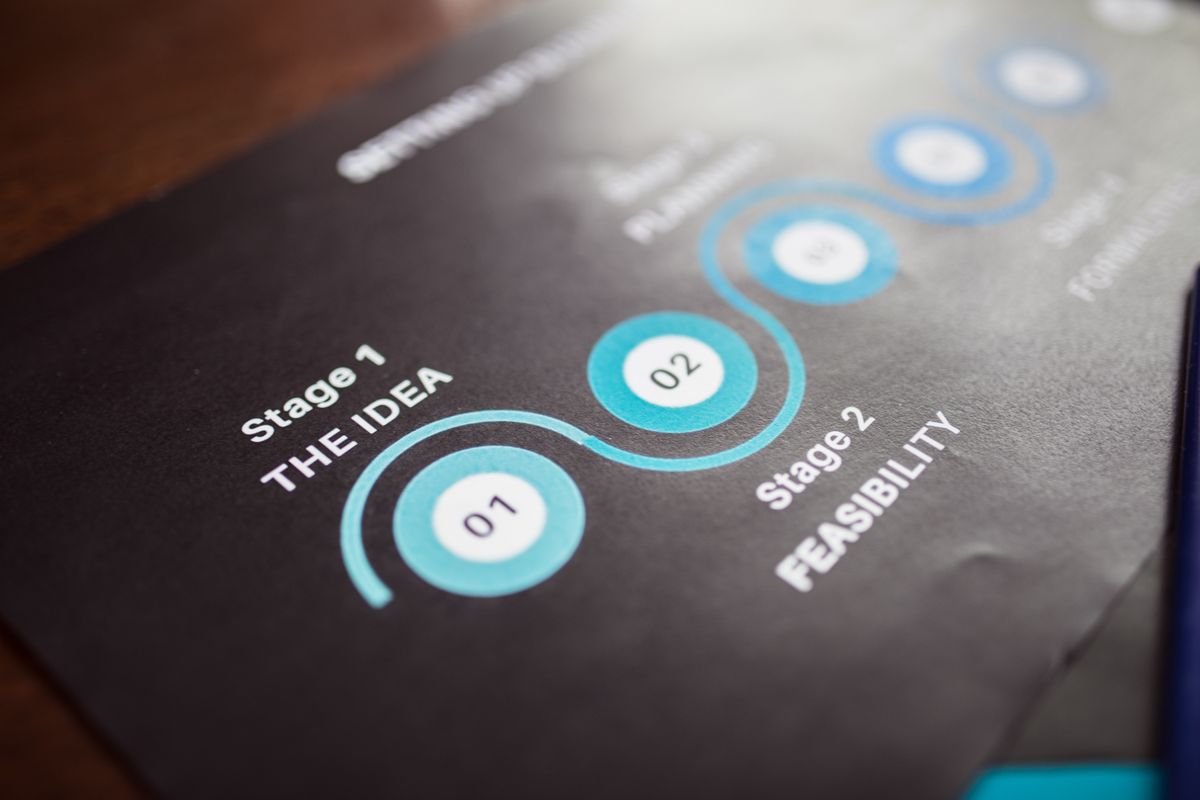
    Close-up image of a business strategy chart on paper showing stages and feasibility.
    Photo via Pexels

    `

    It’s 9:14 PM on a Tuesday. You’re sitting at your desk reviewing a set of deliverables your team was supposed to finish by end of day. They didn’t.

    Not because they’re lazy — they’re not.
    Not because they don’t care — they do.

    They just spent most of their day drowning in the same operational quicksand that’s been swallowing your firm’s capacity for months.

    I’ve been here. I’ve run the teams. I’ve been the guy at 9 PM wondering why six smart people can’t seem to get ahead.

    Here’s what I eventually figured out: output problems and burnout aren’t opposites you try to balance on a scale. They’re symptoms of the same root cause. The work itself is structured badly. The workflows are broken. The system is fighting the people instead of carrying them.

    The fix isn’t motivational speeches. It isn’t hiring another body. It isn’t “hustle harder.”

    The fix is AI workflow automation — and not in the way most people think about it. Not as a buzzword. Not as a replacement for your team. As a structural repair for the invisible friction that’s grinding everyone down.

    If you’re running a firm or agency with 1–15 people, this matters. You need more output from the team you already have. And you’re done pretending that working harder is going to get you there.

    For small service businesses, agencies, and regulated firms, the path forward is usually the same:

    • Reduce operational drag
    • Automate repeatable work
    • Protect human judgment
    • Create sustainable throughput

    That’s where AI workflow automation for small professional firms becomes more than a trend. It becomes a practical operating system for getting more done without burning out your best people.

    Three colleagues working together at laptops in a modern office setting, viewed from above.
    Photo via Pexels
    Back view of a motorcyclist speeding on a race track, showcasing skill and speed.
    Photo via Pexels
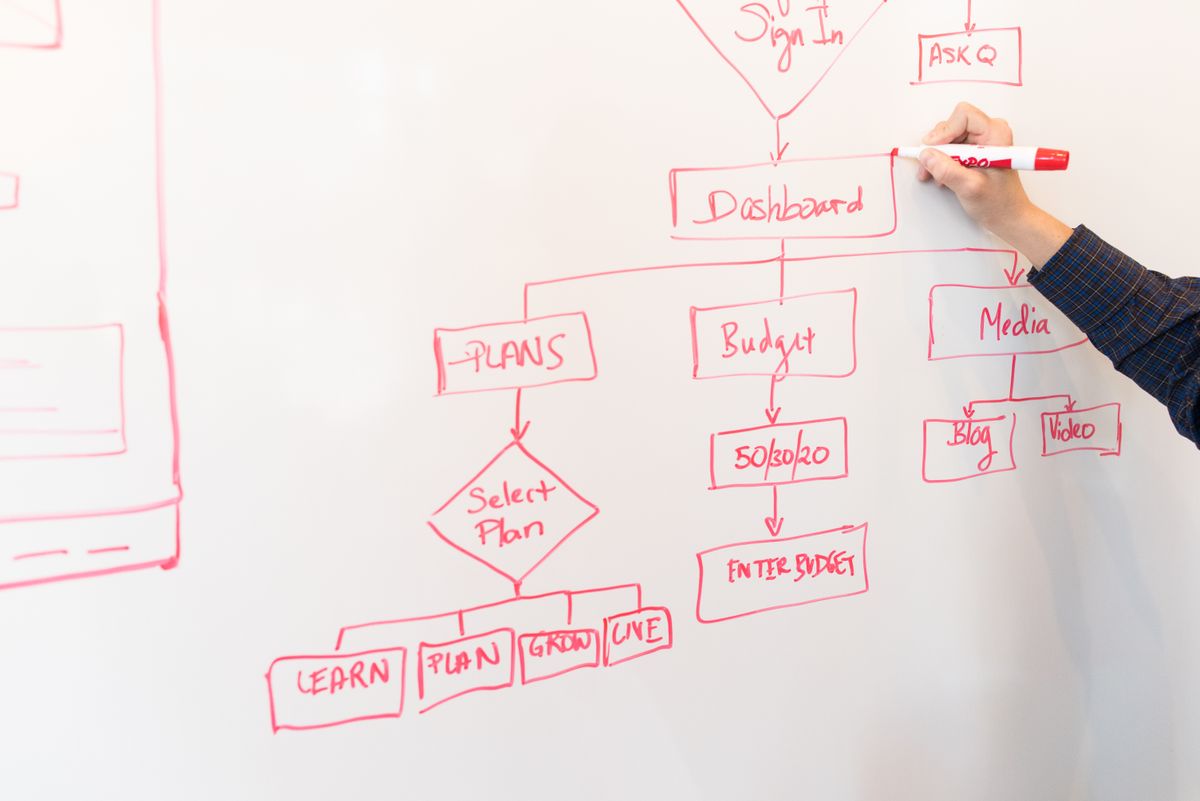
    A person creates a flowchart diagram with red pen on a whiteboard, detailing plans and budgeting.
    Photo via Pexels
    A diverse group of coworkers collaborating around a table in a modern office environment.
    Photo via Pexels
    Close-up of hands analyzing colorful graphs at a business meeting, indicating strategic planning.
    Photo via Pexels
  • Get More From Your Team With AI Workflow Automation

    `[HERO IMAGE]`

    It’s 11pm and your Slack just lit up. Your lead developer is asking a question about a client deliverable due tomorrow. Your project manager sent a status update three hours ago that nobody read. And somewhere in the back of your mind, you’re doing math — wondering if you can afford to hire one more person, or if that just creates one more person to manage.

    You need more output. Your people are already stretched. And the “just push harder” approach stopped working a long time ago.

    Here’s what most agency owners and bigger freelancers get wrong: the problem usually isn’t effort. It’s the amount of work that should never have been manual in the first place. That’s exactly where AI workflow automation becomes a serious timesaver and a real productivity lever.

    Every hour your developer spends formatting a report, summarizing a meeting, or chasing context in Slack is an hour of real, valuable work that doesn’t happen. The fix isn’t more pressure. It’s removing the friction.

    Let’s look at what that actually means in practice.

  • Get More From Your Team Without Burnout Using AI

    `

    Minimalist image of three crumpled paper balls on a white surface, symbolizing burnout.
    Photo via Pexels

    `

    Most advice about getting more from your team is just polite code for “make them work harder.” That’s not a strategy. That’s a countdown to turnover. The better answer is AI workflow automation — not as a buzzword, but as a practical way to remove wasted effort, reduce context-switching, and help your team do more meaningful work without burning out.

    I’ve run teams. I’ve built products. I’ve been the founder reviewing every deliverable at 11 PM because there was no system in place to catch problems earlier.

    And I can tell you from experience: the answer to “how do I get more from my people” is almost never “ask for more.”

    It’s “waste less.”

    The average small team — the 5-to-15-person agency, the lean dev shop, the operations crew holding everything together with duct tape and determination — loses somewhere between 30 and 40 percent of its week to repetitive, low-value work.

    Think about it:

    • Status updates nobody reads
    • Reports assembled by hand
    • The same internal questions answered for the fourth time this month
    • Manual review steps that turn founders and managers into bottlenecks

    That’s not a people problem. It’s a process problem.

    And the fix isn’t a motivational speech or another project management subscription. It’s AI workflow automation, applied thoughtfully, in the right places, with humans still making the decisions that matter.

    This post is about how to do that.

    No theory. No hype. Just the practical stuff that actually works for teams that don’t have time to experiment with things that don’t.

  • Why Your AI Stack Is Broken | LLM-Agnostic Platform

    `

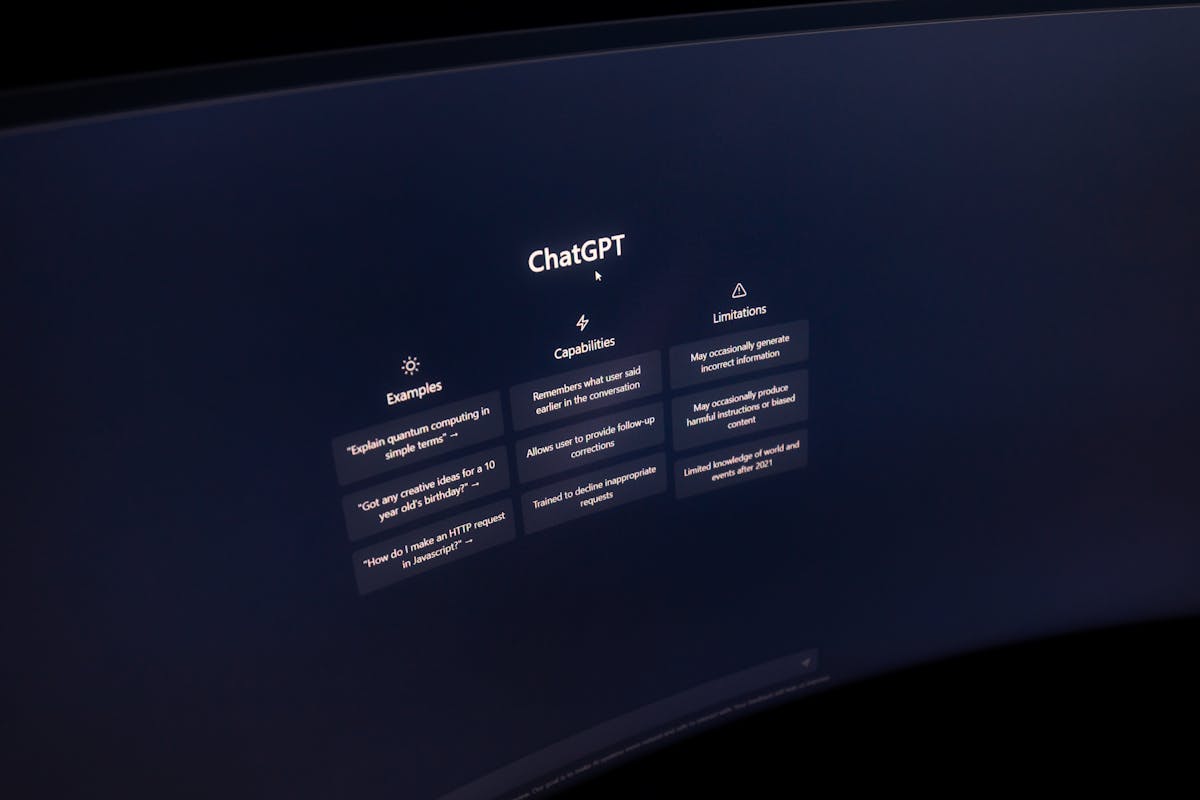
    Close-up of a computer screen displaying ChatGPT interface in a dark setting.
    Photo via Pexels

    `

    Here’s a question most enterprise IT leaders aren’t asking out loud: what if the AI tools you added to increase productivity are actually making it worse? That’s the hidden cost of a fragmented stack — and why an llm agnostic platform is quickly becoming the smarter architecture choice for enterprise IT.

    Not because the tools are bad.

    Because you have too many of them, none of them share context, and your people are spending more time toggling between platforms than doing the work those platforms were supposed to accelerate.

    The average enterprise knowledge worker switches between AI tools roughly 1,200 times a day. That’s not a workflow. That’s a treadmill. And it’s costing your organization north of four hours per person, per week — before you even factor in the cognitive recovery cost of each context switch.

    The fix isn’t a better AI tool. It’s a different kind of infrastructure: an LLM-agnostic platform that puts a unified, governed access layer between your people and the proliferating model ecosystem underneath them.

    That’s what this post is about — and why platforms like GPT Studio are increasingly relevant to CIOs trying to reduce AI sprawl without slowing innovation.